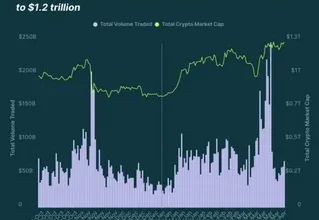


The cryptocurrency market is once again entering a decisive phase, with Bitcoin standing at what analysts are calling a critical crossroads. After a volatile journey from record highs above $120,000 in 2025 to a sharp correction and gradual recovery in 2026, Bitcoin is now consolidating around key levels that could determine its next major move.
Recent data shows Bitcoin trading near $77,000–$79,000, reflecting a fragile balance between bullish momentum and lingering bearish pressure.
This moment is crucial because it represents a tipping point: either Bitcoin confirms a new bullish cycle or enters another corrective phase. In this article, we’ll break down the current crypto market update, analyze the key factors driving Bitcoin’s price, and explore what could happen next.
Bitcoin’s Current Price and Market Position
A Recovery with Uncertainty
Bitcoin has staged a notable recovery after dropping to the low $60,000 range earlier in 2026. It is now stabilizing near $77,000, supported by improving sentiment and renewed institutional interest.
However, this recovery is not yet fully convincing. Analysts describe the market as being in a “wait-and-see” phase, where investors are cautious despite improving technical signals.
From Peak to Pullback
Bitcoin’s journey over the past year highlights the current uncertainty:
- Peak above $126,000 in 2025
- Sharp correction to ~$60,000
- Gradual recovery toward $80,000
This pattern reflects a classic post-bull-cycle consolidation, where markets attempt to find a new equilibrium.
Why Bitcoin Is at a Critical Crossroads
A Balance Between Bullish and Bearish Forces
Analysts emphasize that Bitcoin’s current position is shaped by opposing forces. On one hand, institutional demand and liquidity are supporting prices. On the other hand, macroeconomic risks and resistance levels are limiting upside potential.
One expert noted that Bitcoin could be forming a long-term bottom, but warned that a correction remains possible if liquidity tightens or global risks increase.
Key Resistance Levels
Bitcoin is approaching major resistance zones:
- $80,000 (psychological barrier)
- $85,000 (technical resistance)
- $90,000+ (bullish breakout confirmation)
Breaking these levels could signal the start of a new uptrend.
Bullish Scenario: Path to a New Rally
Institutional Inflows Driving Momentum
Institutional capital continues to play a major role in Bitcoin’s recovery. Recent inflows into ETFs and corporate treasury purchases have boosted demand significantly.
Large-scale buying has historically been a key driver of sustained rallies.
Strong Technical Indicators
Technical analysis suggests bullish momentum is building:
- Higher lows formation
- Breakout from downtrend channels
- Bullish chart patterns
Analysts believe Bitcoin could move toward $85,000–$90,000 if current momentum holds.
Macro Tailwinds
Improving global conditions, including easing geopolitical tensions, are increasing investor appetite for risk assets like Bitcoin.
Bearish Scenario: Risks of Another Correction
Psychological Resistance and Profit-Taking
Bitcoin faces strong selling pressure near key levels. Many investors who bought at higher prices may sell as the market approaches their break-even points.
This could limit upside momentum and trigger pullbacks.
Macroeconomic Uncertainty
Factors such as interest rates, inflation, and monetary policy continue to influence the crypto market. Tightening liquidity could lead to:
- Reduced capital inflows
- Lower risk appetite
- Price corrections
Volatility and Liquidations
Recent market activity has shown significant volatility, including large liquidation events that can amplify price swings.
Institutional vs Retail Dynamics
A Shift Toward Institutional Dominance
The crypto market is evolving, with institutional players becoming more influential. This has led to:
- More stable price ranges
- Reduced speculative excess
- Increased correlation with traditional markets
Retail Sentiment Remains Cautious
Despite improving conditions, retail investors are still hesitant. This cautious sentiment contributes to the current crossroads phase, where conviction is limited.
Key Metrics to Watch
Liquidity and Capital Flows
Bitcoin’s direction will largely depend on liquidity conditions. Key indicators include:
- ETF inflows and outflows
- Stablecoin supply
- Exchange reserves
Derivatives Market Activity
Metrics such as open interest, funding rates, and liquidation levels provide insights into trader positioning and market sentiment.
On-Chain Data
On-chain activity, including transaction volume and wallet growth, helps gauge real demand for Bitcoin.
The Bigger Picture: Market Cycle Debate

Has the Cycle Changed?
One of the biggest questions in 2026 is whether Bitcoin’s traditional four-year cycle still applies. Institutional adoption may be altering historical patterns, creating a more complex market structure.
Diverging Predictions
Bitcoin forecasts vary widely:
- Bearish: $60,000–$70,000
- Neutral: $80,000–$100,000
- Bullish: $150,000+
This divergence reflects the uncertainty surrounding Bitcoin’s current position.
Impact on Altcoins and the Crypto Market
Bitcoin’s position at a crossroads affects the entire crypto ecosystem:
- If Bitcoin rallies → altcoins may surge
- If Bitcoin consolidates → altcoins remain range-bound
- If Bitcoin drops → broader market correction
This reinforces Bitcoin’s role as the market leader.
What Happens Next?
Scenario 1: Bullish Breakout
If Bitcoin breaks above $85,000 with strong volume, it could trigger:
- New all-time highs
- Increased institutional inflows
- Altcoin rallies
Scenario 2: Sideways Consolidation
Bitcoin may remain in a range between $70,000 and $85,000 as the market builds strength.
Scenario 3: Bearish Pullback
A failure to hold support could lead to a retest of lower levels around $60,000–$70,000.
Conclusion
The current crypto market update clearly shows that Bitcoin is at a critical crossroads. With price hovering near key resistance levels and market sentiment divided, the next move could define the trajectory of the entire crypto market in 2026.
While bullish signals are emerging—driven by institutional demand and improving technicals—risks remain. Macroeconomic uncertainty, resistance levels, and cautious investor behavior could still lead to volatility.
Ultimately, Bitcoin’s ability to sustain momentum above key levels will determine whether the market enters a new bullish cycle or faces another period of consolidation.