
The Uses of BNB Go Far Beyond an Exchange Token: 7 Practical Ways BNB Works in the Real World
Joining Token Launches and Launchpool Events

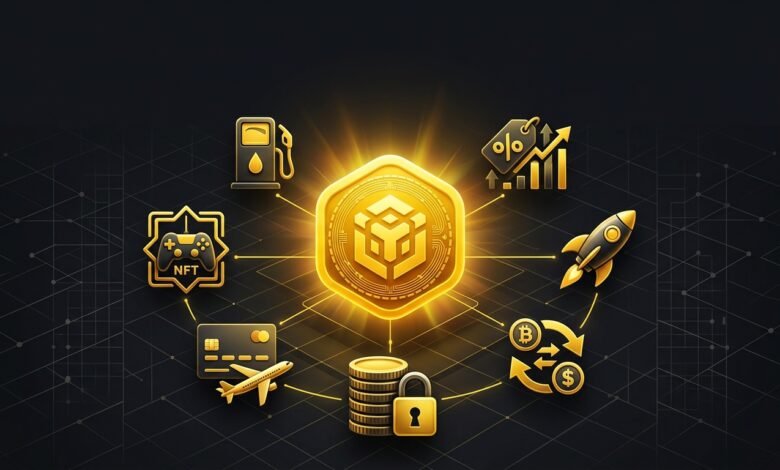
Many people still see BNB as just an exchange token, but the uses of BNB go far beyond that old label. BNB started in 2017 as a simple utility coin, and it now fuels a full blockchain ecosystem. Traders use it to cut fees, developers use it to run apps, and ordinary users use it to pay for goods and services. This guide explains seven practical ways BNB works in the real world today. You will learn how each use works, who benefits, and what risks to watch for. For more beginner-friendly crypto guides, visit Cryptol7 and keep learning every day.
What Is BNB and Why Does It Matter?
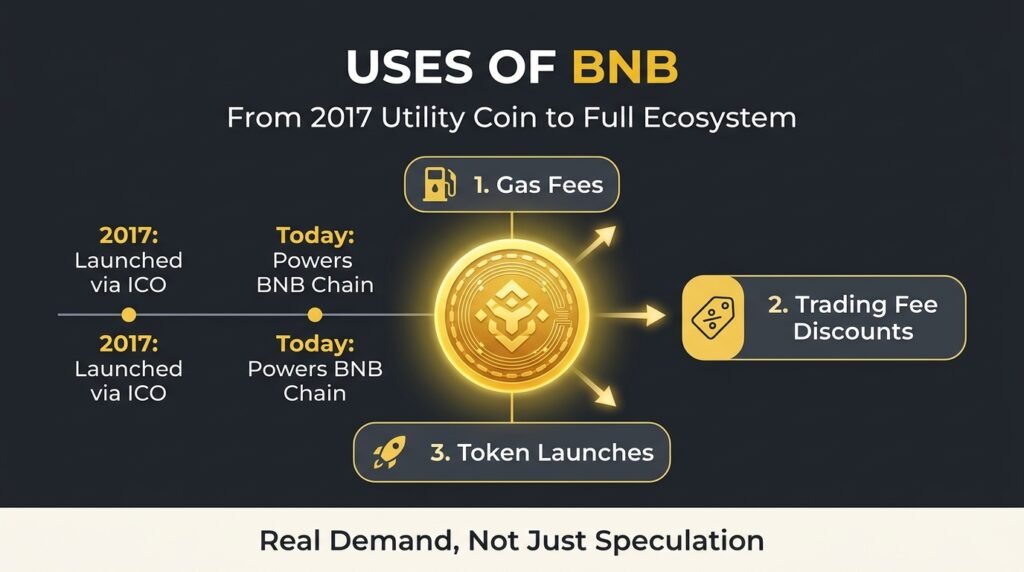
BNB is the native coin of the BNB Chain ecosystem. Binance launched it in 2017 through an initial coin offering. The team first built it on Ethereum, then moved it to its own blockchain. Today, BNB sits among the largest cryptocurrencies by market value. Its strength comes from real demand, not just speculation. People need BNB to perform actions across many platforms. You can read the official overview on the BNB Chain website.
- BNB serves as the fuel for transactions on BNB Chain.
- It connects the Binance exchange with a wider network of apps.
- Its supply shrinks over time through a coin burn programme.
- It offers practical value for both traders and developers.
1. Paying Gas Fees on BNB Chain
The most basic use of BNB is paying network fees. Every action on BNB Chain needs a small fee, called gas. Users pay that fee in BNB. This includes sending tokens, swapping coins, and minting NFTs. Validators then collect the fees and keep the network secure. Without BNB, nobody can move assets on the chain. That built-in demand gives the coin a steady base of real utility. Low fees also make BNB Chain attractive for small, frequent transactions.
- Gas fees stay low compared with many other networks.
- Every wallet needs a small BNB balance to operate.
- Developers rely on predictable fees when they design apps.
- More network activity creates more demand for BNB.
2. Cutting Trading Fees on Binance
Traders on Binance use BNB to lower their costs. The exchange offers a discount when users pay trading fees with BNB. The discount may change over time, so always check the current rate on the Binance website. Active traders save the most because they pay fees on many orders. A small percentage saved on each trade adds up fast. This feature remains one of the oldest and most popular uses of BNB. It rewards loyal users and keeps them inside the Binance ecosystem.
- You hold BNB in your spot wallet to activate the discount.
- You save more as your trading volume grows.
- You can pay for spot, futures, and margin fees in BNB.
- You should always compare the savings against price risk.
3. Joining Token Launches and Launchpool Events
New crypto projects often launch their tokens through Binance programmes. Users who hold or lock BNB can earn early access to these tokens. Launchpool lets users stake BNB and receive new tokens as rewards. Launchpad events give users a chance to buy tokens before public trading starts. Projects love these programmes because they reach a large, active audience. Users love them because they discover new assets early. Of course, new tokens carry high risk, so research every project carefully.
- Staking BNB can earn you free tokens from new projects.
- Holding BNB may help you qualify for launch allocations.
- Early tokens can swing wildly in price after listing.
- Rules change by event, so read each announcement closely.
4. Powering DeFi on BNB Chain
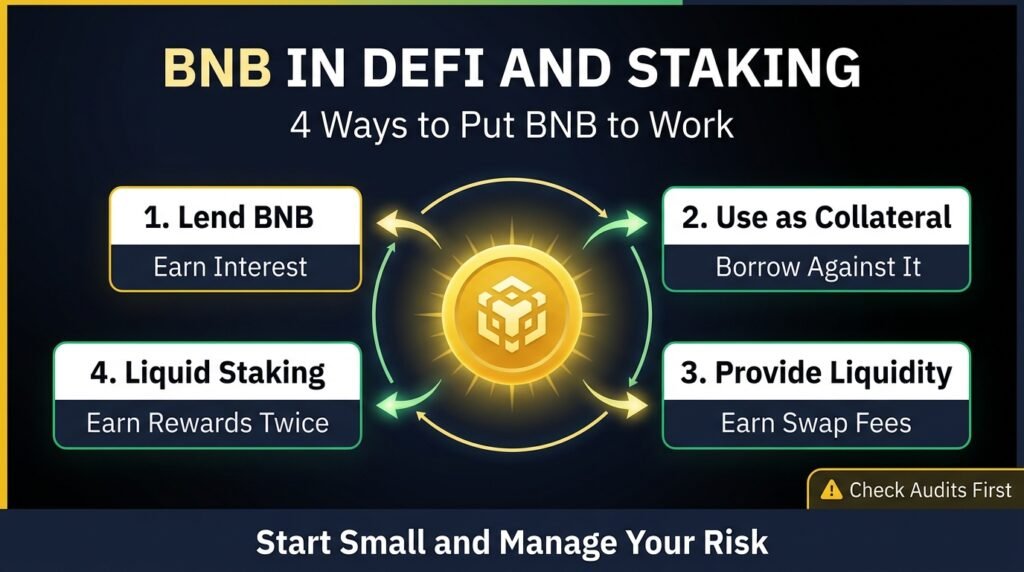
Decentralized finance gives BNB another major role. Platforms on BNB Chain let users swap, lend, borrow, and farm yield. Popular apps such as PancakeSwap and Venus run on this network. Users supply BNB as collateral, trade it against other tokens, or lend it to earn interest. Liquidity providers deposit BNB pairs and collect a share of trading fees. DeFi lets BNB work for its holder instead of sitting idle. Smart contract bugs and price swings still create danger, so users should start small.
- You can lend BNB and earn interest from borrowers.
- You can use BNB as collateral for a crypto loan.
- You can provide liquidity and earn a share of swap fees.
- You should check audits before you trust any protocol.
5. Staking BNB for Passive Rewards
Staking offers a simple way to earn rewards from BNB. Users lock their coins and help secure the network. In return, they receive a yield, which varies by platform and market conditions. Binance Earn and several liquid staking services make this process easy for beginners. Liquid staking even gives users a receipt token that they can use in other DeFi apps. This setup lets one BNB balance earn rewards twice. Staking works best for long-term holders who do not need quick access to their coins.
- Staking rewards change with network conditions.
- Locked coins may limit your ability to sell fast.
- Liquid staking tokens keep your capital flexible.
- Reliable platforms reduce the risk of losing funds.
6. Paying for Goods, Travel, and Services
BNB works as real money in many places. Binance Pay lets users send BNB to friends and merchants within seconds. Some travel platforms let customers book flights and hotels with crypto, including BNB. Online stores, gaming marketplaces, and digital services also accept it. These payments move across borders without banks or high transfer fees. Freelancers and remote workers use BNB to receive international payments quickly. Adoption still trails traditional money, but it grows each year.
- Crypto payments settle faster than most bank transfers.
- Cross-border transfers cost far less than wire fees.
- Merchants gain access to a global customer base.
- Price swings mean you should convert quickly if you need stable value.
7. Building Games, NFTs, and Web3 Apps
Developers choose BNB Chain because it offers speed and low costs. Game studios build play-to-earn and collectible games on the network. NFT creators mint digital art and sell it on BNB-based marketplaces. Web3 startups launch social apps, identity tools, and data services. Each of these projects uses BNB for fees, rewards, or in-app purchases. This growing builder community creates new demand for the coin. It also shows that the uses of BNB keep expanding beyond finance.
- Low fees make small in-game purchases practical.
- NFT minting costs stay affordable for new creators.
- Developers can reuse Ethereum-style tools on BNB Chain.
- A larger app ecosystem strengthens long-term demand.
Why the Uses of BNB Keep Growing
Several forces push the uses of BNB forward each year. Binance keeps adding products that reward BNB holders. BNB Chain keeps attracting developers with fast speeds and low fees. A regular burn programme also reduces the supply over time. Binance and the chain team plan to burn coins until the total supply reaches a long-term target, which can support scarcity. Real utility gives the coin a stronger foundation than hype alone. Still, strong utility does not guarantee a rising price, so every investor must manage risk.
- Utility creates steady, real-world demand.
- Burns reduce supply and support long-term scarcity.
- A large user base helps new apps grow quickly.
- Regulation and competition can still hurt growth.
Risks Every BNB User Should Know
Every crypto asset carries risk, and BNB is no exception. Price swings can erase gains within days. Regulators in several countries continue to scrutinize Binance and large crypto platforms. Smart contract hacks can drain DeFi protocols without warning. Centralization also worries critics, because a small group of validators secures the chain. You should never invest money you cannot afford to lose. Use strong passwords, enable two-factor authentication, and store large balances in a secure wallet.
- Market volatility affects every crypto holding.
- Regulatory news can move prices quickly.
- Scams target new users across the ecosystem.
- Diversification lowers the damage from any single failure.
Frequently Asked Questions
What are the main uses of BNB?
BNB pays gas fees on BNB Chain, discounts trading fees on Binance, and unlocks token launch programmes. It also powers DeFi, staking, payments, and Web3 apps. These uses give the coin real demand beyond speculation.
Can I use BNB to pay for things in real life?
Yes, you can. Binance Pay and several partner merchants accept BNB for goods, travel, and digital services. Acceptance varies by country and store, so check before you pay.
Is staking BNB safe?
Staking carries lower risk than leveraged trading, but it never carries zero risk. Platform failures, smart contract bugs, and price drops can still cause losses. Use trusted platforms and start with a small amount.
Does BNB have a limited supply?
BNB has a decreasing supply thanks to a regular burn programme. The team permanently removes coins from circulation over time. This process aims to reach a lower long-term supply target.
Is BNB a good investment for beginners?
No coin suits everyone. BNB offers strong utility, but its price still swings sharply. Beginners should research the project, invest small amounts, and never borrow money to buy crypto.
Conclusion
The uses of BNB show how far a single token can go. It pays network fees, cuts trading costs, unlocks new token launches, and powers DeFi and staking. It also supports payments, games, NFTs, and Web3 apps. These real-world functions give BNB a stronger foundation than many other coins. Even so, you should stay cautious, research every platform, and manage your risk. Keep exploring more crypto guides on Cryptol7 to grow your knowledge step by step.