
Caitlyn Jenner faces fresh ‘pump and dump’ claims after $JENNER coin crash wipes out investors
Caitlyn Jenner faces fresh 'pump and dump' claims after $JENNER coin crash wipes out investors

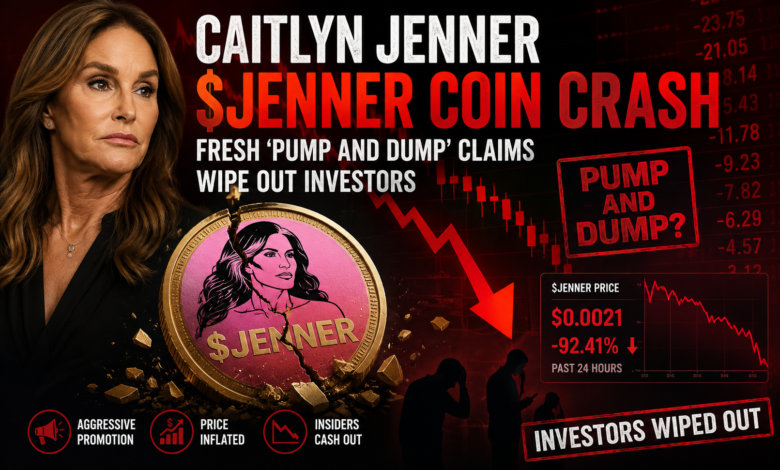
The cryptocurrency market has once again been shaken by controversy after celebrity-backed meme coin $JENNER experienced a dramatic collapse, triggering fresh accusations of a potential “pump and dump” scheme tied to Caitlyn Jenner. The sharp decline in the token’s value reportedly wiped out significant amounts of investor capital, leaving many retail traders frustrated and demanding accountability.
Celebrity meme coins have become one of the most volatile sectors in the digital asset space. Over the past few years, influencers, athletes, and entertainers have increasingly launched branded cryptocurrencies, often attracting massive attention on social media platforms. However, many of these projects have also faced criticism for lacking utility, transparency, and long-term sustainability.
The collapse of the $JENNER coin has reignited debates about crypto regulation, investor protection, and the ethical responsibilities of celebrities promoting speculative digital assets. Critics argue that the token displayed classic signs of a pump-and-dump cycle, where hype drives rapid price increases before insiders allegedly cash out, causing the market to crash. As investigations and discussions continue across the crypto community, the controversy surrounding the $JENNER token is becoming another cautionary tale in the unpredictable world of meme coins and celebrity cryptocurrencies.
The Rise of the $JENNER Meme Coin
The launch of the $JENNER meme coin generated immediate attention due to the global recognition associated with Caitlyn Jenner. Celebrity-backed crypto tokens often gain traction quickly because fans and traders believe public figures can attract sustained interest and liquidity. When the token first appeared, social media hype pushed trading volumes sharply higher. Crypto influencers promoted the project aggressively, while online communities on X and Telegram amplified excitement around potential profits. Many retail investors rushed into the market hoping to capitalize on early momentum.
Like many meme coins, the value of the $JENNER token relied heavily on speculation rather than fundamental utility. There was limited discussion about long-term development plans, blockchain innovation, or real-world adoption. Instead, the marketing focused on celebrity branding, viral engagement, and rapid community growth. During its early surge, the token experienced explosive price action that attracted thousands of traders. Some investors reported massive short-term gains, further fueling fear of missing out across the crypto market. However, analysts warned that the rapid rise appeared unsustainable and resembled previous meme coin bubbles. The controversy intensified once the token’s value began collapsing shortly after reaching peak hype levels.
Pump-and-Dump Allegations in Crypto
The phrase pump and dump has become increasingly common in cryptocurrency discussions. In traditional financial markets, pump-and-dump schemes involve artificially inflating an asset’s value through misleading promotion before insiders sell their holdings at elevated prices. In the crypto industry, meme coins are particularly vulnerable to this behavior because they often lack strong fundamentals. Prices can rise dramatically based purely on social media trends, influencer endorsements, and speculative buying pressure.
Critics claim the $JENNER coin crash followed a similar pattern. According to blockchain analysts and online investigators, wallets linked to early holders allegedly sold large quantities of tokens during periods of peak market excitement. These sell-offs reportedly triggered panic among retail investors, accelerating the token’s collapse. Supporters of Caitlyn Jenner have denied intentional wrongdoing, arguing that volatility is common within the meme coin sector. They claim investors understood the risks associated with speculative cryptocurrencies before participating.
Still, many traders insist the project demonstrated warning signs commonly associated with questionable token launches. Concerns included concentrated token ownership, aggressive promotional campaigns, and limited transparency regarding development and liquidity management. The situation highlights broader concerns about accountability in celebrity-backed crypto projects.
How the $JENNER Coin Crash Impacted Investors
The collapse of the $JENNER cryptocurrency had devastating consequences for many retail investors. Numerous traders entered the market near the token’s peak valuation, expecting continued momentum driven by celebrity attention and viral social media campaigns. When the token suddenly lost value, panic selling intensified rapidly. Investors who had purchased during the hype cycle reportedly saw their portfolios decline within hours. Some social media users claimed they lost life savings, while others accused insiders of exploiting retail enthusiasm.
The emotional impact of meme coin crashes can be severe because many participants are inexperienced traders seeking quick profits. Unlike institutional investors, retail buyers often enter highly speculative markets without proper risk management strategies. The $JENNER controversy also damaged confidence in celebrity-endorsed digital assets. Traders who previously viewed influencer-backed tokens as profitable opportunities are now becoming increasingly cautious. This event serves as another reminder that cryptocurrency markets remain highly volatile and largely unregulated in many jurisdictions. Without strong investor protections, retail participants may face significant financial risks when investing in speculative meme coins.
Celebrity Crypto Coins and the Danger of Hype
Celebrity-backed cryptocurrencies have become a major trend in digital finance. From influencers to musicians and athletes, public figures increasingly attach their names to blockchain projects in hopes of capitalizing on the popularity of meme coin culture. However, the rise of celebrity crypto projects has also produced repeated controversies. Critics argue that fame-driven tokens often prioritize marketing over genuine technological innovation. Instead of focusing on long-term value creation, many projects rely almost entirely on viral promotion.
The Caitlyn Jenner crypto controversy reflects the dangers of hype-based investing. Social media excitement can push prices upward rapidly, but these rallies often collapse once momentum fades. Many investors are drawn to celebrity meme coins because they believe public figures have reputations to protect. Unfortunately, crypto history has shown that celebrity involvement does not guarantee legitimacy or long-term success.
Regulators around the world have already warned consumers about the risks of influencer-promoted investments. In several cases, celebrities have faced lawsuits or penalties for promoting digital assets without properly disclosing financial arrangements. As the crypto market evolves, scrutiny surrounding celebrity-backed projects is expected to increase significantly.
Social Media’s Role in the $JENNER Coin Collapse
Social media played a massive role in both the rise and fall of the $JENNER token. Platforms such as X, Telegram, TikTok, and Discord helped spread awareness about the coin at extraordinary speed.
During the initial launch phase, viral posts and influencer endorsements created a powerful wave of speculation. Traders shared screenshots of profits, promoted bullish predictions, and encouraged followers to buy before prices climbed higher. This type of viral momentum is common within meme coin markets. Unlike traditional investments, meme coins often derive value from community excitement and online trends rather than revenue generation or technological utility.
However, social media also accelerated the collapse. Once rumors of insider selling began circulating, fear spread rapidly across trading communities. Panic intensified as blockchain tracking accounts published wallet movements allegedly linked to early holders. Negative sentiment quickly overwhelmed the hype that initially fueled the token’s growth. Within a short period, confidence evaporated, causing liquidity to disappear and prices to crash further. The speed of this market cycle demonstrates how social media can dramatically influence cryptocurrency prices in both positive and negative directions.
Blockchain Transparency and On-Chain Investigations
One unique aspect of cryptocurrency markets is blockchain transparency. Unlike traditional financial systems, blockchain networks allow analysts to monitor wallet activity publicly. Following the $JENNER meme coin crash, independent blockchain investigators began examining transaction histories connected to major wallets. Some analysts claimed they identified suspicious trading patterns suggesting coordinated selling activity.
On-chain analysis has become an important tool for detecting potential market manipulation in crypto. Investigators can track token transfers, liquidity removals, and large-scale sell-offs in real time. However, interpreting blockchain data can be complicated. Wallet ownership is not always publicly verified, meaning accusations based solely on transaction patterns may remain speculative without additional evidence.
Supporters of the project argue that large token movements do not automatically prove fraudulent intent. They emphasize that volatile trading behavior is common in meme coin ecosystems. Despite these debates, the incident underscores how blockchain transparency is reshaping accountability in financial markets. Investors now rely heavily on on-chain analytics to evaluate risk and identify potential warning signs before participating in speculative crypto projects.
The Regulatory Pressure Facing Celebrity Crypto Projects
The collapse of the $JENNER coin could attract additional regulatory attention toward celebrity-backed cryptocurrencies. Governments and financial agencies worldwide are already increasing scrutiny of digital asset promotions. Regulators are particularly concerned about projects that rely heavily on influencer marketing. Authorities argue that inexperienced investors may misunderstand the risks involved when celebrities endorse speculative financial products.
In the United States, several high-profile celebrities have previously faced legal action for promoting crypto assets without appropriate disclosures. These cases established precedents that could influence future enforcement efforts. The Caitlyn Jenner controversy may encourage regulators to pursue stricter rules surrounding crypto advertising, token launches, and influencer compensation disclosures.
Some lawmakers believe stronger regulations are necessary to protect retail investors from market manipulation and misleading promotional campaigns. Others warn that excessive regulation could stifle innovation within the blockchain industry. Regardless of the policy debate, the growing number of meme coin controversies is increasing pressure on authorities to develop clearer oversight frameworks for digital assets.
Why Meme Coins Continue Attracting Investors
Despite repeated crashes and scandals, meme coins continue attracting millions of traders globally. The appeal lies largely in the possibility of rapid profits. Tokens like Dogecoin and Shiba Inu created legendary success stories that inspired retail investors to search for the next explosive opportunity. Many traders hope to turn small investments into life-changing returns through early participation in viral crypto trends.
The $JENNER crypto crash demonstrates both the attraction and danger of this speculative environment. While some early participants may profit enormously, late buyers often face devastating losses when momentum reverses. Meme coin communities also create strong emotional engagement. Investors frequently feel connected to online groups that share jokes, memes, and collective enthusiasm around specific tokens.
Unfortunately, emotional investing can cloud judgment and encourage risky financial decisions. Experts consistently advise traders to research projects carefully and avoid investing money they cannot afford to lose. The ongoing popularity of meme coins suggests that speculative behavior will remain a major force within cryptocurrency markets for the foreseeable future.
Lessons Investors Should Learn From the $JENNER Collapse
The controversy surrounding the $JENNER meme coin offers several important lessons for cryptocurrency investors. First, celebrity endorsement should never replace proper due diligence. Investors must evaluate tokenomics, development teams, liquidity structures, and long-term project goals before committing capital.
Second, meme coins carry extremely high volatility risks. Even projects with massive online followings can collapse within hours if sentiment changes suddenly. Third, social media hype can create dangerous investment environments driven by emotion rather than fundamentals. Traders should avoid making decisions based solely on viral trends or influencer promotions.
Risk management is also critical. Financial experts recommend diversifying investments and avoiding excessive exposure to speculative assets. Many traders affected by the $JENNER crash reportedly invested heavily without considering downside risks. Finally, investors should recognize that blockchain transparency allows suspicious activity to be monitored publicly. Reviewing wallet concentration and liquidity data can help identify warning signs before entering a project. These lessons are becoming increasingly important as celebrity meme coins continue expanding across the crypto industry.
The Future of Celebrity Meme Coins After the $JENNER Controversy
The fallout from the Caitlyn Jenner $JENNER coin controversy may reshape how celebrity-backed cryptocurrencies operate moving forward. Investors are becoming more skeptical of projects that rely entirely on fame-driven marketing. Future token launches may face stronger demands for transparency, utility, and accountability.
Some blockchain developers believe celebrity involvement can still benefit crypto projects if supported by legitimate innovation and responsible governance. However, purely hype-driven launches are likely to face growing criticism from both regulators and investors. The industry may also see increased adoption of safeguards designed to reduce manipulation risks. These measures could include locked liquidity, transparent token allocations, audited smart contracts, and stricter disclosure standards.
At the same time, meme coin culture remains deeply embedded within crypto communities. Viral trends, online speculation, and celebrity influence will probably continue shaping market behavior despite repeated controversies. The key challenge for investors will be distinguishing between sustainable blockchain projects and short-lived hype cycles.
The dramatic collapse of the $JENNER coin has become one of the latest high-profile controversies in the cryptocurrency world. Fresh pump-and-dump allegations tied to Caitlyn Jenner have intensified concerns about celebrity-backed meme coins and the risks facing retail investors. While supporters argue that volatility is inherent in speculative crypto markets, critics believe the incident displayed classic warning signs associated with hype-driven token schemes. The rapid rise and fall of the token wiped out investor capital, damaged market confidence, and reignited calls for stronger crypto oversight.
The controversy also highlights the growing influence of social media, blockchain transparency, and online speculation within digital asset markets. As regulators continue examining influencer-promoted cryptocurrencies, celebrity-backed projects may face increasing pressure to provide transparency and accountability. For investors, the $JENNER crash serves as another reminder that meme coin markets remain highly unpredictable. Careful research, disciplined risk management, and skepticism toward hype-driven investments are essential for navigating the evolving crypto landscape safely.