Bitcoin Steadies Above $60K as Saylor Buys More BTC
Bitcoin Steadies Above $60K as Saylor Buys More BTC


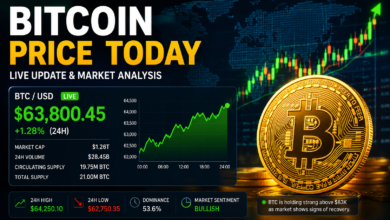
Bitcoin has once again captured the attention of investors worldwide after successfully reclaiming and stabilizing above the critical $60,000 level. The world’s largest cryptocurrency has demonstrated remarkable resilience despite ongoing macroeconomic uncertainty, regulatory developments, and fluctuations across global financial markets. The recent move above $60,000 is being viewed by many analysts as a significant psychological and technical milestone that could shape Bitcoin’s trajectory in the coming months.
Adding further momentum to the bullish narrative is the continued accumulation strategy of Michael Saylor, one of Bitcoin’s most vocal advocates and the executive chairman of MicroStrategy. Saylor’s latest Bitcoin purchases have reinforced confidence among institutional and retail investors alike, signaling a long-term belief in the digital asset’s value proposition. His persistent accumulation strategy has become a symbol of institutional conviction and has often coincided with renewed optimism across the broader cryptocurrency market.
As Bitcoin steadies after its $60,000 breach, investors are closely examining market indicators, institutional activity, ETF inflows, and macroeconomic factors to determine whether the cryptocurrency is preparing for another major rally. This article explores the significance of Bitcoin’s recovery, Michael Saylor’s latest acquisitions, and what these developments could mean for the future of the crypto market.
Why the $60,000 Level Matters for Bitcoin
The $60,000 price level represents far more than a simple numerical milestone. In financial markets, round-number levels often serve as important psychological barriers that influence investor behavior. For Bitcoin, reclaiming and holding above $60,000 demonstrates renewed buying pressure and increased confidence from market participants.
Historically, Bitcoin has experienced heightened volatility around major price thresholds. The ability to sustain momentum above these levels often attracts additional capital from traders who interpret the movement as confirmation of bullish strength. As Bitcoin steadies above $60,000, many investors believe the cryptocurrency is establishing a stronger foundation for future gains.
The breach of this critical resistance zone also indicates that market sentiment has improved significantly compared to previous correction phases. Strong support at higher price levels can create favorable conditions for continued upward momentum if broader market conditions remain supportive.
Michael Saylor’s Bitcoin Strategy Continues
The Long-Term Accumulation Philosophy
Michael Saylor has become synonymous with corporate Bitcoin adoption. Since first embracing Bitcoin as a treasury reserve asset, he has consistently advocated for the cryptocurrency as a superior store of value compared to traditional cash holdings.
Saylor’s investment philosophy is rooted in the belief that Bitcoin’s limited supply and decentralized nature make it uniquely positioned to preserve wealth over time. Rather than attempting to time market fluctuations, he has focused on accumulating Bitcoin during both bull and bear markets.
His latest acquisition reinforces a strategy that prioritizes long-term value creation over short-term price speculation. By continuing to purchase Bitcoin after the asset reclaimed $60,000, Saylor is signaling confidence that current prices still represent an attractive opportunity relative to future potential.
Impact on Investor Sentiment
Whenever Michael Saylor announces additional Bitcoin purchases, the market tends to react positively. Investors often view these acquisitions as evidence that sophisticated institutional participants remain confident in Bitcoin’s long-term prospects.
This confidence can have a ripple effect throughout the cryptocurrency ecosystem. Retail investors may interpret Saylor’s actions as validation of Bitcoin’s investment thesis, while institutional investors may see continued accumulation as a sign that major market participants remain committed despite volatility.
The psychological impact of these purchases should not be underestimated. In a market heavily influenced by sentiment, high-profile endorsements from influential investors can strengthen bullish momentum and encourage additional participation.
Institutional Demand Remains a Key Driver
Institutional adoption has become one of the most important factors supporting Bitcoin’s growth over the past several years. Unlike previous market cycles that were largely driven by retail speculation, the current environment includes significant participation from hedge funds, asset managers, corporations, and investment firms.
The approval and expansion of Bitcoin ETFs, growing corporate treasury allocations, and increased interest from traditional financial institutions have created new sources of demand. These developments have helped legitimize Bitcoin as an investable asset class and expanded access for investors who may have previously been hesitant to enter the cryptocurrency market.
As Bitcoin steadies above $60,000, institutional demand continues to provide a foundation of support that was largely absent during earlier market cycles. This shift has contributed to a more mature market structure and potentially reduced the severity of long-term price corrections.
The Role of Bitcoin ETFs in Market Stability
Expanding Access to Bitcoin
One of the most significant developments in the cryptocurrency industry has been the emergence of spot Bitcoin exchange-traded funds. These investment products allow investors to gain exposure to Bitcoin without directly purchasing or storing the cryptocurrency.
The introduction of Bitcoin ETFs has attracted billions of dollars in investment capital. Pension funds, wealth managers, and traditional investors now have a regulated pathway to participate in Bitcoin’s growth potential. This increased accessibility has broadened Bitcoin’s investor base and created a more diverse pool of market participants. As a result, the cryptocurrency market has become increasingly integrated with traditional financial systems.
Supporting Price Appreciation
ETF inflows have become a major source of buying pressure. As funds receive new investments, they often purchase additional Bitcoin to back shares issued to investors. This dynamic creates sustained demand that can contribute to upward price momentum. The combination of ETF demand and continued institutional accumulation has played an important role in Bitcoin’s ability to recover and maintain strength above $60,000.
Market Sentiment Improves After Recent Volatility
Cryptocurrency markets are known for dramatic price swings, and Bitcoin has experienced several periods of intense volatility throughout its history. However, recent price action suggests that investor confidence is gradually returning.
The successful defense of key support levels and recovery above $60,000 have encouraged traders to adopt a more optimistic outlook. Positive sentiment is also spreading across the broader digital asset market, with many altcoins benefiting from Bitcoin’s strength.
Improved sentiment often creates a self-reinforcing cycle. As prices rise, confidence increases, attracting new buyers and further supporting market momentum. While volatility remains an inherent characteristic of cryptocurrencies, current conditions appear considerably healthier than previous correction periods.
Bitcoin’s Supply Dynamics Continue to Support Growth
Scarcity Remains a Powerful Narrative
One of Bitcoin’s defining characteristics is its fixed supply of 21 million coins. Unlike fiat currencies, which can be expanded through monetary policy, Bitcoin’s supply schedule is predetermined and transparent.
This scarcity has become increasingly important as institutional demand grows. With a limited number of coins available and a growing pool of investors seeking exposure, supply constraints can exert upward pressure on prices over time. The recent Bitcoin halving event further strengthened this scarcity narrative by reducing the rate at which new coins enter circulation. Historically, halvings have often preceded significant bull market phases, although past performance does not guarantee future results.
Long-Term Holders Continue Accumulating
On-chain data frequently indicates that long-term Bitcoin holders are reluctant to sell despite price fluctuations. This behavior reduces available supply on exchanges and can contribute to stronger price support during periods of increased demand. The combination of reduced new supply, ETF demand, institutional accumulation, and long-term holding behavior creates a compelling framework for Bitcoin’s long-term growth potential.
Macroeconomic Factors Influencing Bitcoin
Bitcoin’s performance is increasingly linked to broader economic conditions. Interest rate expectations, inflation trends, central bank policies, and global economic uncertainty all play important roles in shaping investor behavior.
Many investors view Bitcoin as a potential hedge against currency debasement and inflation. During periods of economic uncertainty, the asset’s decentralized structure and limited supply can become particularly attractive.
At the same time, higher interest rates can create challenges by increasing the attractiveness of traditional fixed-income investments. As a result, Bitcoin’s future performance will likely remain influenced by developments in the global macroeconomic environment. these relationships is crucial for investors seeking to evaluate Bitcoin’s long-term outlook.
Technical Outlook After the $60,000 Breakout
From a technical analysis perspective, maintaining support above $60,000 is an encouraging sign for bullish investors. Successful breakouts above major resistance levels often attract additional buying activity as traders seek confirmation of trend continuation.
Analysts are closely monitoring key resistance zones above current prices. If Bitcoin can sustain momentum and establish higher highs, the market could potentially revisit previous record levels. However, technical analysts also emphasize the importance of risk management. Cryptocurrency markets remain volatile, and temporary corrections are common even during strong uptrends. The ability to maintain support above recently reclaimed levels will likely play a critical role in determining Bitcoin’s next major move.
What Saylor’s Purchases Mean for the Future
Michael Saylor’s ongoing accumulation strategy highlights a broader shift in how Bitcoin is perceived by institutions. Rather than treating the cryptocurrency as a speculative asset, many organizations are beginning to view it as a strategic long-term holding.
This perspective could have significant implications for future adoption. As more corporations and investment firms explore Bitcoin allocations, demand may continue to increase while available supply remains constrained. Saylor’s actions also reinforce the growing narrative that Bitcoin is evolving into a globally recognized store of value. Whether this vision ultimately materializes remains uncertain, but continued institutional participation suggests that confidence in Bitcoin’s future remains strong.
Conclusion
Bitcoin’s ability to steady above $60,000 marks an important milestone in the current market cycle. The recovery demonstrates renewed investor confidence, improving market sentiment, and sustained demand from both institutional and retail participants. At the center of this narrative is Michael Saylor, whose continued Bitcoin acquisitions serve as a powerful endorsement of the asset’s long-term potential.
The combination of institutional adoption, ETF inflows, limited supply, and growing mainstream acceptance has created a fundamentally different environment from previous market cycles. While short-term volatility remains inevitable, Bitcoin’s underlying fundamentals continue to attract attention from investors seeking exposure to digital assets. As the cryptocurrency market evolves, Bitcoin’s performance above $60,000 may ultimately be remembered as a pivotal moment that reinforced its position as the dominant force within the digital asset ecosystem.