Shiba Inu (SHIB) Burn Explained: How Token Burns Affect Supply and Price
Discover how Shiba Inu burns remove tokens from circulation, what that means for supply, and whether burning really moves the price.

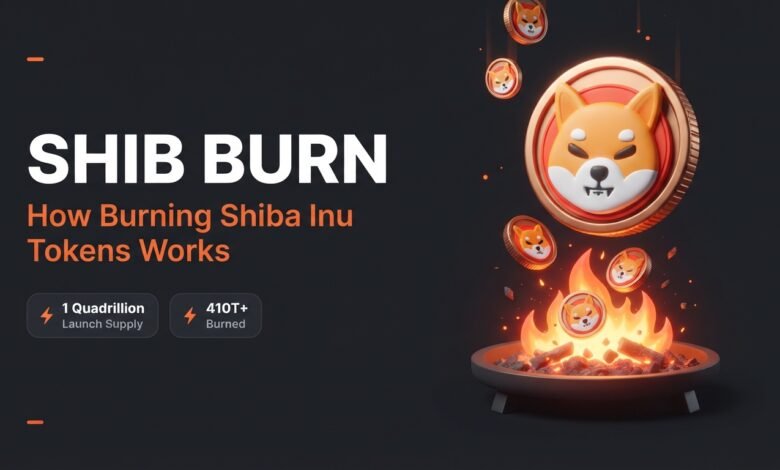
The SHIB burn is one of the most talked-about events in the Shiba Inu community. Holders watch burn trackers every day and cheer when millions of tokens vanish from circulation. But does destroying tokens really make SHIB more valuable? In this guide, you will learn what a SHIB burn is, how it works, and why the community loves it. You will also see how burns affect supply and price, and how you can take part. Read on to separate the facts from the hype. For more token breakdowns, explore Crypto L7.
What Is a SHIB Burn and Why Does It Happen?
A SHIB burn permanently removes Shiba Inu tokens from circulation. Holders send their tokens to a wallet address that nobody controls, so no one can ever spend them again. This process shrinks the total supply. Shiba Inu launched with one quadrillion tokens, which gave each coin a tiny price. The community wants to cut that supply to build scarcity. Burns also show how committed holders feel toward the project. Anyone can burn SHIB, and the team encourages the whole community to join. You can read more about the project on the official Shiba Inu website.
How Token Burns Work on the Blockchain
Token burns follow a simple technical process. A holder sends tokens to a dead wallet address, which has no known private key. Because nobody holds that key, the tokens stay out of reach forever. The blockchain records every burn transaction publicly, so anyone can verify the numbers. Trackers read this data and display total burned amounts and daily burn rates. Developers use burns to manage supply without trusting a central authority. You can view the famous dead address on Etherscan and see the burned tokens yourself.
The History Behind Shiba Inu’s Massive Supply
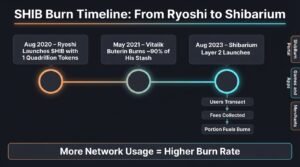
Shiba Inu began in August 2020, when an anonymous founder named Ryoshi launched it as a Dogecoin rival. Ryoshi created one quadrillion tokens and locked the liquidity on Uniswap. Ryoshi then sent half of the supply to Ethereum co-founder Vitalik Buterin. In May 2021, Buterin burned about 90 percent of that stash and donated the rest to an Indian COVID relief fund. That single move wiped out a huge share of the supply overnight. It also set the tone for every burn that followed, and the community still talks about it today.
How Shibarium Fuels the SHIB Burn Rate
Shibarium is Shiba Inu’s own Layer 2 network, and it launched in August 2023. Every transaction on Shibarium pays a fee, and the network uses a portion of those fees to fuel burns. As more users trade, swap, and build on the network, the burn rate should climb. The team designed this system to create steady, automatic burns instead of relying only on manual efforts. Community members also burn tokens through apps, games, and the ShibBurn portal. Together, these methods push the total burned amount higher each week. Watch network activity closely, because usage drives the burn rate.
Does a SHIB Burn Really Affect Price?
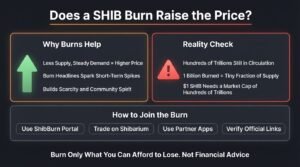
Burning reduces supply, but price depends on demand too. Basic economics says that less supply with steady demand lifts prices. However, SHIB still has hundreds of trillions of tokens in circulation, so each burn barely changes the total. A burn of one billion tokens, for example, removes a tiny fraction of the supply. Traders often react to burn headlines, and those reactions can spark short-term price spikes. Long-term growth still needs real demand from users, exchanges, and apps. Treat burns as one supporting factor, not a guarantee. Check live numbers on CoinGecko.
How You Can Join the Community Burn Effort
You can join the burn effort in several ways. Use the ShibBurn portal to send your tokens to the burn address. Trade on Shibarium, since network fees feed the burn. Play community games and use partner apps that burn a share of their revenue. Some merchants also burn SHIB when they accept it as payment. Always use official links, because scammers copy burn portals to steal wallets. Check the destination address twice before you confirm any transaction. Remember that burning your own tokens costs real money, so burn only what you can afford to lose. Learn more safety tips at Crypto L7.
Frequently Asked Questions About SHIB Burn
What is the SHIB burn address?
The main burn address is a dead wallet with no accessible private key. People send SHIB there, and nobody can retrieve the tokens afterward. Always copy the address from the official ShibBurn portal instead of typing it yourself. A single wrong character can send your tokens to a different wallet. Block explorers show every incoming transaction, so you can confirm your burn.
How much SHIB has the community burned?
Total burned tokens sit above 410 trillion, and Buterin’s 2021 burn makes up the vast majority of that figure. Community burns add smaller amounts every day. Burn trackers update the numbers constantly, so you should check them for the latest total. Keep in mind that circulating supply still stays in the hundreds of trillions.
Will burning push SHIB to $1?
Burns alone almost certainly will not. At $1, SHIB would need a market cap of hundreds of trillions of dollars, which exceeds the combined value of all global assets. Realistic growth comes from demand, adoption, and a shrinking supply working together. Analysts disagree on future prices, so research carefully and avoid anyone who promises guaranteed returns.
Final Thoughts on the SHIB Burn
The SHIB burn shrinks supply, unites the community, and keeps the project in the spotlight. Yet burns alone cannot guarantee higher prices, because demand drives value. Shibarium gives the project a real way to automate burns, and that matters for long-term supply. Track the burn data, study the tokenomics, and make your own decisions instead of following hype. Never invest more than you can afford to lose. Keep following Crypto L7 for clearer, beginner-friendly crypto guides.