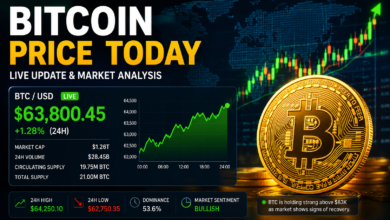


The cryptocurrency market is once again showcasing one of its most fascinating psychological dynamics: the Bitcoin disbelief phase. Despite signs of recovery and bullish momentum, many traders continue to bet against the rally, aggressively shorting Bitcoin. This contradiction between price action and market sentiment is not unusual—in fact, it has historically preceded some of the strongest upward moves in crypto history.
Recent data suggests that Bitcoin’s rebound is facing skepticism from leveraged traders, with many still expecting further downside. At the same time, analysts argue that this very skepticism could fuel the next major rally through a powerful short squeeze.
In this article, we’ll explore what the disbelief phase means, why traders are shorting Bitcoin, and how this behavior could set the stage for the next bullish breakout in the crypto market cycle.
What Is the Bitcoin Disbelief Phase?
Understanding Market Psychology
The disbelief phase is a stage in the classic market cycle where prices begin to recover after a downturn, but most investors remain skeptical. Instead of embracing the rally, traders doubt its sustainability and often expect another crash.
According to analysts, this phase occurs right after the market transitions out of fear and capitulation. It represents the early stage of a new uptrend—one that is not yet widely accepted.
Why Traders Keep Shorting Bitcoin
Lingering Fear from Previous Crashes
One of the biggest reasons traders are shorting Bitcoin is the psychological impact of past crashes. The massive liquidation event in October 2025 wiped out billions in leveraged positions, leaving traders cautious.
As a result, many investors are reluctant to trust the current rally, fearing it could be another bull trap.
Negative Funding Rates
Funding rates in derivatives markets provide insight into trader sentiment. Recent data shows that funding rates have remained negative for extended periods, indicating a persistent bearish bias.
This means traders are paying to hold short positions, reinforcing the idea that skepticism dominates the market.
Institutional Selling Pressure
Institutional investors have also contributed to the cautious outlook. Some reports indicate that large players have been selling into rallies, preventing sustained breakouts and reinforcing bearish sentiment.
This creates a feedback loop where retail traders become even more hesitant to go long.
The Hidden Bullish Signal: Short Interest
Why Heavy Shorting Can Be Bullish
While it may seem negative, heavy shorting can actually be a bullish indicator. When too many traders bet against the market, it creates the conditions for a short squeeze.
A short squeeze occurs when rising prices force short sellers to close their positions, buying back Bitcoin and pushing prices even higher.
Potential for a Short Squeeze
Analysts suggest that the current disbelief phase could lead to a significant short squeeze if the uptrend continues.
As more shorts get liquidated, the rally can accelerate rapidly, creating a cascade effect that drives prices toward key resistance levels.
Bitcoin’s Current Market Structure

Recovery with Skepticism
Bitcoin has been showing signs of recovery, with technical indicators turning bullish and price stabilizing above key support levels. Recent analysis highlights improving momentum and a possible move toward higher resistance zones.
However, this recovery is still viewed with skepticism, especially among leveraged traders.
Fragile Confidence
Despite price gains, confidence in the rally remains fragile. Analysts note that the credibility of the recovery is being questioned, particularly by traders using leverage.
This lack of conviction is a defining feature of the disbelief phase.
The Role of Market Cycles
The Wall Street Cheat Sheet Model
The disbelief phase is part of a broader market psychology cycle, often illustrated by the Wall Street Cheat Sheet. This model tracks investor emotions from euphoria to despair and back to optimism.
After a major correction, markets typically move through:
- Fear
- Capitulation
- Disbelief
- Hope
- Optimism
Bitcoin appears to be transitioning from capitulation into disbelief, signaling the early stages of a potential new bull cycle.
Historical Examples
Previous Bitcoin cycles have followed similar patterns. After major crashes, the market often enters a disbelief phase before rallying to new highs.
For example:
- 2019 recovery after the 2018 bear market
- 2020–2021 rally following the COVID crash
These examples reinforce the importance of understanding market psychology.
Risks: Could This Be a Bull Trap?
Weak Liquidity Conditions
One major risk is low market liquidity. Reduced trading volumes can make rallies less sustainable and more prone to sharp reversals.
Institutional Outflows
Recent outflows from Bitcoin ETFs suggest that institutional demand has weakened in the short term, which could limit upside momentum.
Macro Uncertainty
Global economic conditions, including interest rates and inflation, continue to influence crypto markets. Uncertainty in these areas could impact Bitcoin’s trajectory.
What Happens Next?
Scenario 1: Short Squeeze Rally
If Bitcoin continues to rise, the large number of short positions could trigger a massive short squeeze, pushing prices sharply higher.
Scenario 2: Continued Consolidation
Alternatively, Bitcoin could remain in a sideways range as the market rebuilds confidence and liquidity.
Scenario 3: Another Pullback
If bearish pressure persists, Bitcoin could face another correction before entering a stronger uptrend.
Impact on Altcoins and the Broader Market
The disbelief phase doesn’t just affect Bitcoin—it also influences the entire crypto ecosystem.
- Altcoins may lag initially
- Capital remains concentrated in Bitcoin
- Broader rallies may begin once confidence returns
This aligns with the typical pattern where Bitcoin leads and altcoins follow.
Conclusion
The Bitcoin disbelief phase is a crucial moment in the crypto market cycle. While traders continue shorting the rally, this skepticism may actually be laying the groundwork for the next major breakout.
History shows that when markets rise despite widespread doubt, the potential for explosive growth increases. Whether through a short squeeze or gradual accumulation, Bitcoin’s current position suggests that the next phase of the bull cycle could already be underway.
However, risks remain, and investors should approach the market with a balanced perspective—recognizing both the opportunities and uncertainties ahead.