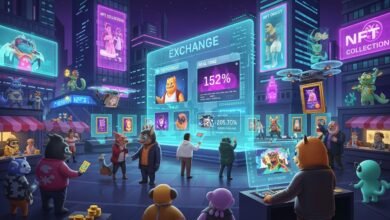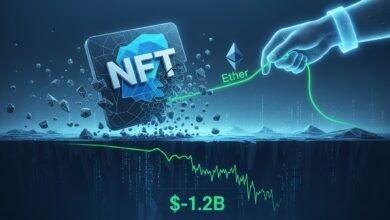


The NFT sector stabilization narrative is gaining momentum as the broader crypto market begins to show signs of maturity and reduced turbulence. Over the past few years, non-fungible tokens have experienced explosive growth, dramatic corrections, and periods of uncertainty that tested investor confidence. However, as market volatility drops, the NFT ecosystem is gradually transitioning from speculative hype to a more sustainable and structured environment.
This shift is not merely a temporary pause in activity but reflects deeper changes in how participants perceive and engage with digital assets. With reduced price fluctuations, improved infrastructure, and growing institutional interest, the NFT market is carving out a more stable foundation. Collectors, creators, and investors are now focusing on long-term value, utility, and innovation rather than short-term gains.
In this evolving landscape, NFT sector stabilization is becoming a defining theme that signals maturity and resilience. Understanding the factors driving this transformation provides valuable insight into the future trajectory of NFTs and their role in the digital economy.
The Evolution of NFT Market Dynamics
From Hype Cycles to Sustainable Growth
The NFT market initially surged on the back of intense hype, fueled by viral digital art sales and celebrity endorsements. During this phase, prices were highly volatile, and speculation dominated trading activity. As a result, sharp corrections were inevitable, leading to significant declines in valuations and trading volumes.
Now, with market volatility dropping, the NFT ecosystem is entering a phase characterized by measured growth and stability. Investors are becoming more selective, prioritizing projects with real-world applications and long-term viability. This transition marks a critical step toward NFT sector stabilization, as the market sheds unsustainable practices and embraces a more disciplined approach.
The Role of Market Maturity
Market maturity plays a crucial role in reducing volatility. As participants gain experience, they develop better risk management strategies and a deeper understanding of asset valuation. This leads to more rational decision-making and less erratic price movements.
In the context of NFT sector stabilization, maturity is reflected in improved liquidity, diversified use cases, and stronger community engagement. These factors contribute to a more balanced market environment where price swings are less extreme and more predictable.
Declining Volatility and Its Impact on NFTs
Understanding Market Volatility in NFTs
Volatility has long been a defining characteristic of the NFT market. Rapid price increases were often followed by steep declines, creating an unpredictable environment for investors. However, recent trends indicate a significant reduction in these fluctuations.
As market volatility drops, NFTs are becoming less prone to sudden price shocks. This creates a more stable environment that encourages participation from a broader range of investors, including those who were previously hesitant due to risk concerns.
Investor Confidence and Stability
One of the most significant outcomes of NFT sector stabilization is the restoration of investor confidence. Stability reduces uncertainty, making it easier for participants to evaluate opportunities and make informed decisions.
With fewer extreme price swings, long-term investors are more likely to enter the market, contributing to sustained growth. This shift from speculative trading to value-driven investment is a key indicator of a maturing NFT ecosystem.
Institutional Interest and Market Support
 Growing Institutional Participation
Institutional interest has been a major driver of NFT sector stabilization. Large organizations and financial institutions are increasingly exploring NFTs as part of their digital asset strategies. Their involvement brings credibility, liquidity, and a more structured approach to the market.
Unlike retail investors, institutions typically adopt long-term perspectives and emphasize risk management. This helps reduce volatility and supports a more stable market environment.
Infrastructure Development
The development of robust infrastructure is another critical factor contributing to stability. Improved marketplaces, secure storage solutions, and advanced analytics tools are enhancing the overall NFT ecosystem.
These advancements make it easier for users to buy, sell, and manage NFTs, reducing friction and increasing efficiency. As infrastructure continues to evolve, it further strengthens the foundation for NFT sector stabilization.
Utility-Driven NFTs and Real-World Applications
Beyond Digital Art
While digital art played a significant role in popularizing NFTs, the market is now expanding into new areas. Utility-driven NFTs are gaining traction, offering tangible benefits such as access to exclusive content, membership privileges, and real-world assets.
This shift toward utility is a key component of NFT sector stabilization, as it creates intrinsic value beyond speculation. Projects that deliver meaningful use cases are more likely to sustain long-term interest and demand.
Integration with Emerging Technologies
NFTs are increasingly being integrated with technologies such as blockchain gaming, metaverse platforms, and decentralized finance (DeFi). These integrations enhance functionality and open up new opportunities for innovation.
As NFTs become more embedded in digital ecosystems, their value proposition strengthens, contributing to a more stable and resilient market.
The Role of Community and Creator Ecosystems
Strengthening Community Engagement
Communities are at the heart of the NFT ecosystem. Strong, engaged communities provide support, drive adoption, and foster trust among participants. In a stable market environment, communities can focus on building meaningful connections rather than reacting to price volatility.
NFT sector stabilization enables creators and collectors to collaborate more effectively, leading to the development of high-quality projects and sustainable growth.
Empowering Creators
Creators play a vital role in shaping the NFT landscape. As volatility decreases, creators gain more predictable revenue streams and greater confidence in the market. This encourages innovation and the production of high-quality content.
The shift toward creator-centric models is a positive sign for the long-term sustainability of the NFT ecosystem.
Regulatory Clarity and Market Confidence
The Importance of Regulation
Regulatory uncertainty has been a significant challenge for the NFT market. Clear and consistent regulations are essential for fostering trust and stability. As governments and regulatory bodies develop frameworks for digital assets, the market benefits from increased transparency and accountability.
NFT sector stabilization is closely linked to regulatory progress, as it reduces risks and provides a more secure environment for participants.
Balancing Innovation and Compliance
While regulation is necessary, it must be balanced with innovation. Overly restrictive policies could hinder growth, while a lack of oversight could lead to instability. Achieving the right balance is crucial for the continued development of the NFT ecosystem.
Market Liquidity and Trading Patterns
Improved Liquidity Conditions
Liquidity is a key factor in reducing volatility. A more liquid market allows for smoother transactions and minimizes the impact of large trades on prices. As market volatility drops, liquidity conditions in the NFT sector are improving.
This enhances market efficiency and supports NFT sector stabilization, making it easier for participants to enter and exit positions without significant price disruptions.
Shifts in Trading Behavior
Trading patterns are also evolving. Short-term speculation is gradually being replaced by long-term holding strategies. This shift reduces the frequency of rapid price changes and contributes to a more stable market environment.
Challenges to Sustained Stabilization
Market Fragmentation
Despite progress, the NFT market still faces challenges such as fragmentation across platforms and standards. This can create inefficiencies and limit interoperability, potentially hindering growth.
Addressing these issues is essential for maintaining NFT sector stabilization and ensuring a seamless user experience.
Risk of Renewed Volatility
While current trends indicate reduced volatility, external factors such as macroeconomic conditions and shifts in investor sentiment could trigger renewed fluctuations. Maintaining stability requires continuous adaptation and resilience.
Future Outlook for NFT Sector Stabilization
Long-Term Growth Potential
The long-term outlook for NFTs remains positive. As the market continues to mature, NFT sector stabilization is likely to strengthen, supported by technological advancements, institutional adoption, and expanding use cases.
Innovation and Evolution
Innovation will play a central role in shaping the future of NFTs. New applications, improved user experiences, and deeper integration with digital ecosystems will drive growth and enhance stability.
The transition from a speculative market to a utility-driven ecosystem marks a significant milestone in the evolution of NFTs.
Conclusion
The emergence of NFT sector stabilization as market volatility drops represents a pivotal moment in the evolution of digital assets. What was once a highly speculative and unpredictable market is now gradually transforming into a more stable and sustainable ecosystem.
Reduced volatility has restored investor confidence, encouraged institutional participation, and paved the way for innovation and growth. As the NFT market continues to mature, the focus is shifting toward utility, community engagement, and long-term value creation.
While challenges remain, the progress made so far highlights the resilience and adaptability of the NFT ecosystem. With continued development and strategic evolution, NFT sector stabilization is set to become a defining characteristic of the next phase of digital asset adoption.
FAQs
Q. What does NFT sector stabilization mean?
NFT sector stabilization refers to a phase where the NFT market experiences reduced volatility, more consistent pricing, and sustainable growth driven by utility and long-term investment.
Q. Why is market volatility dropping in NFTs?
Market volatility is decreasing due to increased market maturity, institutional participation, improved infrastructure, and a shift from speculation to value-based investing.
Q. How does stabilization impact NFT investors?
Stabilization provides a safer and more predictable environment for investors, allowing for better decision-making and encouraging long-term investment strategies.
Q. Are NFTs still a good investment during stabilization?
Yes, NFTs can still be a viable investment, especially those with strong utility, community support, and long-term growth potential, as the market becomes more stable.
Q. What is the future of NFTs after stabilization?
The future of NFTs is likely to focus on innovation, real-world applications, and integration with emerging technologies, leading to sustained growth and broader adoption.