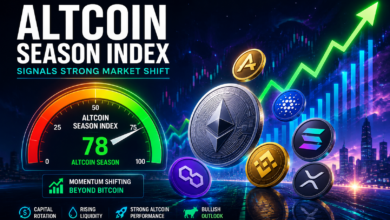
Altcoin Season Returns: Is a Massive Crypto Rally Starting?
Altcoin Season Returns: Is a Massive Crypto Rally Starting?


The cryptocurrency market is once again flashing signals that have traders, analysts, and institutional investors paying close attention. One of the most discussed metrics in recent weeks is the Altcoin CEX Volume Ratio, a market indicator that has not reached current levels since the explosive 2021 bull run. As Bitcoin stabilizes after periods of high volatility, altcoins are suddenly experiencing surging trading activity across centralized exchanges (CEXs), reigniting speculation about the beginning of a new altseason.
The dramatic rise in altcoin trading volume relative to Bitcoin has sparked a critical debate throughout the crypto industry: Is this a genuine case of capital rotation into riskier crypto assets, or is it simply another short-lived bear market rally designed to trap overly optimistic investors?
Understanding the significance of the Altcoin CEX Volume Ratio requires more than simply watching price charts. This metric reflects investor psychology, market liquidity, risk appetite, and the broader direction of crypto capital flows. Historically, periods of elevated altcoin volume have preceded some of the largest rallies in digital asset history. However, similar spikes have also occurred during temporary recoveries in prolonged bear markets.
As traders search for clues about the next major market move, the current setup is becoming increasingly difficult to ignore. Meme coins are rallying, mid-cap altcoins are outperforming Bitcoin, and decentralized finance projects are seeing renewed activity. Yet macroeconomic uncertainty, regulatory pressure, and lingering market skepticism continue to cast shadows over the bullish narrative.
In this article, we will examine what the Altcoin CEX Volume Ratio actually means, why it matters so much in crypto market cycles, and whether the current surge points toward sustainable capital rotation or merely another speculative bounce. We will also explore historical parallels with the 2021 bull run, investor behavior, institutional involvement, and the sectors most likely to benefit if a true altcoin season emerges.
What Is the Altcoin CEX Volume Ratio?
The Altcoin CEX Volume Ratio measures the proportion of altcoin trading activity compared to Bitcoin trading volume on centralized exchanges. In simpler terms, it tracks how much market attention and liquidity are flowing into alternative cryptocurrencies instead of Bitcoin. When this ratio increases significantly, it usually indicates that traders are becoming more willing to take risks. Bitcoin is traditionally viewed as the most stable and dominant cryptocurrency, while altcoins are often considered more speculative. Therefore, a rising altcoin volume ratio often reflects growing confidence and increased market optimism.
During major bull cycles, investors typically rotate profits from Bitcoin into smaller-cap cryptocurrencies seeking higher returns. This process is known as capital rotation, and it played a major role during the historic 2021 crypto rally. Ethereum, Solana, Cardano, Avalanche, and countless meme coins experienced explosive gains as traders moved away from Bitcoin dominance.
Today, the market is witnessing similar behavior again. Trading volumes for altcoins on major exchanges are climbing rapidly, and Bitcoin dominance has started to weaken slightly. This combination has historically been associated with the early stages of broader altcoin rallies. However, context matters. A high Altcoin CEX Volume Ratio does not automatically guarantee a sustainable bull market. Sometimes it merely reflects speculative short-term trading during temporary rebounds in bearish conditions.
Why the Current Altcoin Volume Surge Matters
The recent surge in altcoin trading activity is important because it reflects a meaningful change in investor sentiment. For much of the past year, traders remained cautious due to macroeconomic uncertainty, interest rate concerns, and regulatory crackdowns affecting the crypto sector. Now, market participants appear increasingly willing to move capital into higher-risk digital assets. This shift suggests renewed confidence in crypto market growth and potential upside opportunities beyond Bitcoin.
One of the clearest signs of this trend is the growing outperformance of altcoins relative to Bitcoin. Several mid-cap and low-cap projects have recorded double-digit percentage gains within short periods, attracting speculative momentum traders and retail investors alike. At the same time, decentralized finance protocols, AI-related tokens, gaming cryptocurrencies, and meme coins are once again experiencing elevated trading activity. These sectors typically thrive during speculative market phases when investors aggressively search for high-growth opportunities.
The Altcoin CEX Volume Ratio reaching levels not seen since 2021 is therefore more than a simple technical statistic. It may indicate that crypto investors are entering a new phase of market behavior characterized by increased risk tolerance and expanding liquidity.
Comparing Today’s Market to the 2021 Bull Run
The 2021 bull market remains one of the most extraordinary periods in cryptocurrency history. Bitcoin reached new all-time highs while altcoins generated massive returns across nearly every sector. Several factors contributed to that rally, including unprecedented monetary stimulus, retail investor participation, institutional adoption, and the explosive growth of decentralized finance and NFTs. Importantly, the Altcoin CEX Volume Ratio surged dramatically during this period as traders shifted profits into speculative assets.
Today’s environment shares some similarities with 2021, but there are also major differences. One similarity is the growing enthusiasm around emerging crypto narratives. Artificial intelligence tokens, real-world asset tokenization, and blockchain gaming projects are attracting strong investor interest much like DeFi and NFTs did previously. Another similarity is the gradual decline in Bitcoin dominance. Historically, when Bitcoin stabilizes after strong gains, traders often rotate capital into altcoins searching for larger percentage returns.
However, the macroeconomic backdrop today is far less supportive than in 2021. Interest rates remain elevated, global liquidity conditions are tighter, and regulators are scrutinizing crypto exchanges and token projects more aggressively. This means that while the Altcoin CEX Volume Ratio resembles 2021 levels, the broader environment is more complex and potentially fragile.
Capital Rotation in Crypto Markets
Capital rotation is one of the most important dynamics in cryptocurrency investing. It refers to the movement of money from one sector or asset class into another as market conditions evolve. In crypto markets, capital rotation typically follows a recognizable pattern. Investors first allocate funds into Bitcoin because it is viewed as the safest and most liquid digital asset. Once Bitcoin rallies significantly and begins consolidating, traders often seek higher returns by moving profits into Ethereum and eventually smaller altcoins.
This cycle can create explosive price movements across the altcoin market. The current rise in the Altcoin CEX Volume Ratio suggests that such a rotation may already be underway. Traders who benefited from Bitcoin’s earlier gains could now be reallocating capital into undervalued or high-momentum altcoins.
Historically, true capital rotation has fueled sustained altcoin seasons lasting several months. During these periods, even relatively unknown projects can experience enormous rallies due to increased speculative demand and liquidity inflows.
Yet successful capital rotation requires continued confidence in the overall crypto market. If macroeconomic conditions deteriorate or Bitcoin experiences major weakness, altcoin rallies can collapse quickly.
Could This Be Another Bear Market Rally?
Despite growing optimism, many analysts remain cautious about declaring the start of a full-scale bull market. Some believe the recent rise in altcoin activity could represent a classic bear market rally rather than sustainable growth. A bear market rally occurs when prices temporarily rebound within a larger downward trend. These rallies often attract speculative buying before eventually reversing sharply.
There are several reasons why skepticism persists. First, global financial conditions remain uncertain. Central banks continue monitoring inflation, and tighter monetary policies can reduce liquidity available for speculative assets like cryptocurrencies.
Second, regulatory pressure remains intense. Governments worldwide are still developing frameworks for crypto exchanges, stablecoins, and decentralized finance protocols. Unexpected regulatory actions could negatively impact market sentiment. Third, many altcoins continue to lack strong fundamentals or real-world utility. During speculative rallies, low-quality projects can attract short-term attention despite weak long-term prospects.
The Altcoin CEX Volume Ratio alone cannot confirm a lasting bull market. Investors must also examine on-chain activity, institutional participation, developer growth, and macroeconomic trends before drawing definitive conclusions.
The Role of Bitcoin Dominance
Bitcoin dominance plays a crucial role in understanding altcoin market behavior. This metric measures Bitcoin’s share of the total cryptocurrency market capitalization. When Bitcoin dominance rises, capital tends to concentrate in Bitcoin, signaling defensive investor behavior. Conversely, when Bitcoin dominance declines, altcoins often outperform as traders pursue higher-risk opportunities.
The recent decline in Bitcoin dominance aligns closely with the rising Altcoin CEX Volume Ratio. This combination historically signals increasing appetite for speculative crypto investments. However, Bitcoin remains the foundation of the digital asset ecosystem. Most major altcoin rallies still depend on Bitcoin maintaining relative stability. If Bitcoin experiences sharp corrections, altcoins usually suffer even larger losses.
Therefore, monitoring Bitcoin dominance alongside altcoin trading volume provides valuable insight into whether current market conditions support sustainable capital rotation.
Which Altcoin Sectors Are Leading the Rally?
Not all altcoins perform equally during market rallies. Certain sectors often emerge as leaders based on investor narratives and technological innovation. Currently, several sectors are driving increased altcoin trading volume.
AI and Blockchain Integration
Artificial intelligence remains one of the strongest narratives in financial markets overall. Crypto projects combining AI technology with blockchain infrastructure are attracting substantial investor attention. These tokens benefit from broader enthusiasm surrounding AI innovation and are often viewed as high-growth opportunities within the crypto ecosystem.
Meme Coins and Retail Speculation
Meme coins have once again become major drivers of trading activity. Historically, meme coin rallies reflect elevated retail participation and speculative enthusiasm. Although highly volatile, meme coins often thrive during periods of aggressive risk-taking and expanding liquidity.
Decentralized Finance Revival
DeFi protocols are also seeing renewed interest as traders seek yield opportunities and decentralized trading alternatives. Increased stablecoin activity and growing total value locked across protocols may indicate strengthening market confidence.
Gaming and Metaverse Tokens
Blockchain gaming and metaverse-related cryptocurrencies continue attracting speculative capital, particularly among younger retail investors. While this sector remains volatile, renewed investor attention could fuel further growth if broader market momentum continues.
Institutional Investors and Altcoin Markets
Institutional participation is another important factor influencing the current market cycle. In 2021, institutional interest focused heavily on Bitcoin and Ethereum. Today, some institutions are exploring broader exposure to emerging crypto sectors. The approval of spot Bitcoin ETFs has increased mainstream awareness of digital assets and improved market accessibility for traditional investors. This development may indirectly benefit altcoins by bringing fresh liquidity into the crypto ecosystem.
However, institutions remain selective. Most professional investors prioritize projects with strong liquidity, transparent governance, and real-world use cases. This means that while speculative altcoin rallies may continue, institutional capital is likely to favor higher-quality projects over purely hype-driven tokens.
Market Psychology Behind Altcoin Surges
Crypto markets are heavily influenced by psychology and investor emotion. Fear, greed, and speculative momentum often drive short-term price action more than fundamentals alone. The rising Altcoin CEX Volume Ratio reflects growing optimism among traders. As altcoins begin outperforming Bitcoin, fear of missing out intensifies, encouraging more investors to enter the market.
Social media platforms, influencer commentary, and viral narratives can amplify these trends rapidly. Retail investors frequently chase momentum, especially during periods of high volatility. However, emotional trading can also create dangerous conditions. Excessive speculation often leads to overheated markets vulnerable to sudden corrections.
Market psychology is therefore essential when evaluating whether current altcoin activity represents sustainable growth or temporary excitement.
Key Indicators to Watch Going Forward
Several important indicators can help determine whether the current altcoin surge will continue. One key factor is trading volume consistency. Sustained volume growth across multiple exchanges typically supports healthier market trends than short-lived spikes.
Another critical metric is on-chain activity. Increasing wallet activity, developer engagement, and network usage often indicate genuine ecosystem growth. Stablecoin inflows also matter significantly. Rising stablecoin liquidity entering exchanges can support continued buying pressure across crypto markets.
Macroeconomic developments will remain equally important. Interest rate decisions, inflation trends, and global risk sentiment all influence investor appetite for speculative assets. Finally, Bitcoin stability remains crucial. Healthy altcoin rallies generally require Bitcoin to avoid extreme volatility.